Sponsors




Steel Legacies & Modern Innovation
For more than a century, Pennsylvania stood at the center of American industry. From the mills of Pittsburgh and Bethlehem to manufacturing hubs across the Commonwealth, Pennsylvania steel helped build bridges, skyscrapers, ships, railroads, and infrastructure that shaped the modern world.
But Pennsylvania’s story did not end with steel. The same spirit of engineering, resilience, and reinvention continues to define the state today — powering breakthroughs in healthcare, robotics, advanced manufacturing, education, and technology. What was once forged in steel is now driving innovation across industries that shape the future.
Built with Pennsylvania Steel
Pennsylvania steel became the backbone of some of the most recognizable structures in the world: symbols of strength, ambition, and progress.

Brooklyn Bridge (New York City)
Completed in 1883, this suspension bridge used steel from Pennsylvania mills to create its pioneering steel-wire cables, helping it span the East River and link Manhattan with Brooklyn.

Empire State Building (New York City
Opened in 1931, its internal skeleton includes structural steel produced at Pittsburgh-area works such as U.S. Steel’s Homestead plant, giving the skyscraper the strength to rise more than 100 stories.

Chrysler Building (New York City)
This Art Deco icon relies on high-strength structural steel from Pennsylvania producers to support its slender tower and distinctive spire.

Rockefeller Center (New York City)
The complex’s towers were framed with steel from Bethlehem Steel in Pennsylvania, enabling the dense cluster of high-rise buildings at the heart of Midtown Manhattan.
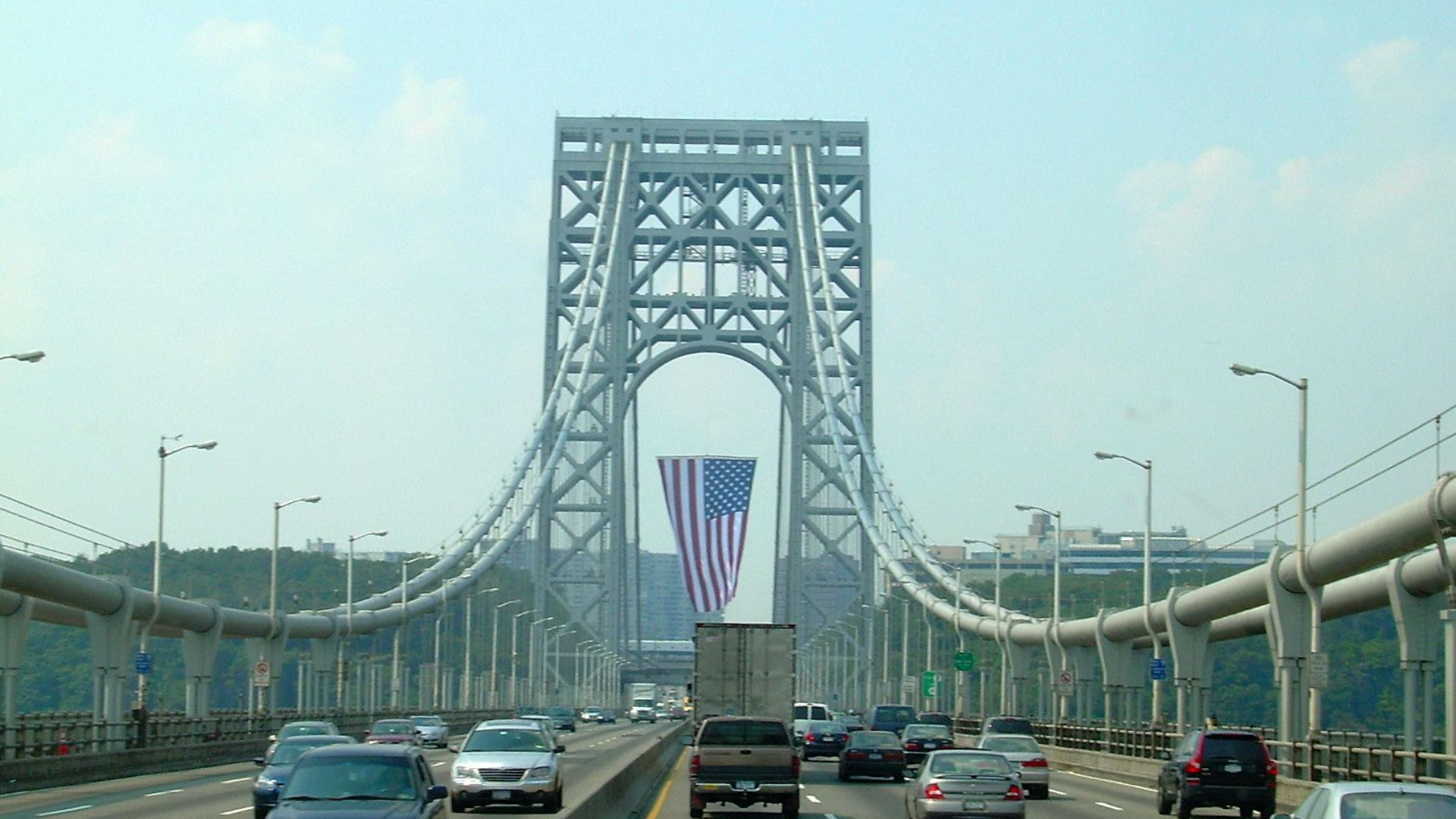
George Washington Bridge (New York–New Jersey)
The bridge’s long main span uses Pennsylvania-made structural steel for its towers and deck, supporting one of the busiest crossings in the world.

Golden Gate Bridge (San Francisco)
Steel produced by Bethlehem Steel’s Pennsylvania operations contributed to the bridge’s main cables and structural members, helping create its graceful span across the Golden Gate.

Panama Canal Lock Gates (Panama)
The massive lock gates were fabricated from Pennsylvania steel, allowing the canal to withstand immense water pressure and global maritime traffic.

U.S. Steel Tower (Pittsburgh)
Completed in 1970, this downtown landmark reflects Pennsylvania’s continued industrial leadership, showcasing steel supplied by U.S. Steel Corporation.

LOOKING TO THE FUTURE
While steel established Pennsylvania as an industrial titan, the Commonwealth’s influence has continued to evolve. Today, Pennsylvania leads in healthcare innovation, robotics research, advanced manufacturing, higher education, and technology development. World-renowned hospitals, cutting-edge robotics labs, and top research universities are carrying forward the same legacy of problem-solving and progress that once built bridges and skyscrapers.
From steel mills to surgical breakthroughs... From industrial plants to technological advancements across multiple fields... Pennsylvania’s story is not just one of history, it is one of continued reinvention and forward momentum.
Healthcare & Medical Innovation
Pennsylvania is a premier hub for healthcare and medical innovation, anchored by world-class academic institutions and a rapidly growing life sciences sector that has pioneered transformative treatments. Penn Medicine is globally recognized for developing groundbreaking CAR T-cell therapies—which program a patient’s own immune system to fight cancer—and for the Nobel Prize-winning mRNA technology that powered COVID-19 vaccines. Beyond Philadelphia, the state thrives on diverse medical advancements, including Penn State Health’s work in GammaTile® brain therapy and artificial heart research, alongside UPMC’s historic leadership in liver and heart transplants.
The state is currently fostering a robust startup ecosystem focused on artificial intelligence, digital health, and precision medicine, with 2025–2026 seeing significant advances in AI-driven diagnostic tools, such as Pittsburgh-based Abridge for medical note documentation and HEARTio for cardiovascular diagnostics. Pennsylvania is bolstering specialized sectors like gene therapy, neurodegenerative disease research, and advanced wound assessment. Additionally, the state is expanding access to care through innovative policies like the Pennsylvania Rural Health Model and new mandates covering biomarker testing and telemedicine, ensuring these high-tech innovations reach a broad patient population.
Robotics & Advanced Technology
Pennsylvania has solidified its reputation as a global powerhouse in robotics and advanced technology, driven by a dense innovation ecosystem anchored in Pittsburgh—often called "Roboburgh"—and rapidly expanding across the state. Leveraging pioneering research from Carnegie Mellon University and a deep industrial heritage, the region has transformed into a hub for over 140+ robotics organizations. Key players like Astrobotic are leading in space robotics, while companies such as Gecko Robotics are pioneering AI-powered, wall-scaling robots for critical infrastructure inspection. Furthermore, the state is a leader in autonomous vehicle technology, with firms like Aurora, Stack AV, and others developing self-driving systems that are redefining transportation.
The state's innovation strategy, supported by the Shapiro Administration, is heavily investing in "Physical AI"—combining artificial intelligence with robotics to solve real-world problems in manufacturing, agriculture, and logistics. For instance, Pittsburgh-based Skild AI is creating versatile, AI-driven "brains" for robots to operate autonomously in unstructured environments. Meanwhile, southeastern Pennsylvania and other regions are thriving with advancements in biotechnology, drone technology, and additive manufacturing. With significant investments in new facilities like the Robotics Innovation Center and a focus on accelerating startups through programs like the Robotics Factory, Pennsylvania is projected to create nearly 17,000 new robotics and technology jobs over the next decade.
Education & Research Leadership
Pennsylvania has long been a trailblazer in American education, rooted in a history of prioritizing accessible learning for all. In 1834, the Commonwealth passed the Free School Act, establishing a statewide public school system five years before similar initiatives in other states, a move championed by Thaddeus Stevens to ensure education was "carried home to the poorest child". The state also pioneered teacher training with the creation of the "normal schools" in the mid-19th century and established Philadelphia Central High School in 1838 as one of the nation's first public high schools. Furthermore, Pennsylvania has been a leader in specialized education, from the founding of the Institute for Colored Youth (now Cheyney University) in 1837 to early, significant legal advancements in special education services for children with disabilities.
Beyond the classroom, Pennsylvania has a rich history of scientific and industrial innovation. Philadelphia served as the epicenter of early American intellect, where Benjamin Franklin founded the first subscription library (1731) and what became the University of Pennsylvania, the first institution in the U.S. to be named a university. The state’s universities continued to lead in the 20th century, with the University of Pennsylvania developing ENIAC, the world’s first general-purpose digital computer, in 1945, and Dr. Jonas Salk developing the polio vaccine at the University of Pittsburgh in the early 1950s.